For many divers, the PADI Advanced Open Water course is the moment diving truly begins. The Open Water certification teaches you how to dive. The Advanced course teaches you how to explore.
For many divers, the PADI Advanced Open Water course is: the moment diving truly begins. The Open Water certification teaches you how to dive. The Advanced course teaches you how to explore.
Suddenly, the underwater world becomes:
Divers begin discovering:
And emotionally, this changes everything. Because during the Advanced course, students stop feeling like beginner divers. And start feeling like real underwater explorers. In destinations like Bohol, this transformation becomes even more powerful because divers train directly surrounded by:
For many divers, the Advanced Open Water course becomes the moment scuba diving turns into a real passion.
| Course Information | Details |
|---|---|
| Certification | PADI Advanced Open Water Diver |
| Course Duration | 2 Days |
| Number of Dives | 5 Adventure Dives |
| Maximum Training Depth | 30 meters |
| Theory Learning | Online via PADI App |
| Environment | Tropical Reef Diving |
| Equipment Included | Full Scuba Equipment |
| Certification Type | Internationally Recognized |
| Ideal For | Certified Open Water Divers |
| Main Focus | Confidence, Exploration & Underwater Autonomy |
One of the biggest surprises after Open Water certification is realizing how much more there is to discover underwater. Many beginner divers quickly become curious about:
And honestly: this curiosity is completely natural. Because the deeper divers go into the underwater world, the more fascinating it becomes. The Advanced course was specifically designed to help divers:
For many divers, this course creates a completely different level of comfort underwater. And psychologically, this is often the course where divers begin feeling: truly independent underwater.
Bohol offers an incredible environment for advanced diver training.
The island combines:
This creates ideal learning conditions. Instead of focusing on difficult cold-water environments, divers can fully focus on:
And because marine life is everywhere, dives quickly become: unforgettable experiences. Many divers complete:
And often, these experiences become: some of their strongest underwater memories.
Before beginning the course, students should download the PADI App. The application allows divers to:
Students should also:
This allows us to open the course before arrival. The online learning may be completed:
The Advanced Open Water course takes place over two full days. The course focuses heavily on:
Unlike beginner training, the Advanced course is less focused on basic survival skills and more focused on: becoming comfortable underwater. Students complete: five adventure dives over two days. Each dive introduces:
The course includes:
And honestly, for many divers, this is where diving becomes: truly addictive.
The second day begins at:
8:00 AM.
Students depart for:
two morning dives.
These dives include:
The deep dive allows divers to progressively experience:
30 meters.
This dive introduces:
For many divers,
descending deeper along reef walls creates:
a completely different atmosphere underwater.
The environment feels:
The Computer & Autonomy dive focuses on:
This dive helps divers progressively become:
more independent underwater.
The return to the dive center is usually around:
12:00 PM.
The course finishes with:
And for many divers,
this is the moment where they truly begin feeling:
like advanced divers.
| Skills Practiced During Training |
|---|
| Peak Performance Buoyancy |
| Underwater Navigation |
| Compass Navigation |
| Deep Diving Procedures |
| Dive Computer Use |
| Gas Management |
| Night Diving Techniques |
| Underwater Awareness |
| Air Consumption Monitoring |
| Underwater Autonomy |
| Advanced Buoyancy Control |
| Dive Planning |
| Orientation Techniques |
| Low Visibility Awareness |
| Confidence Underwater |
These dives are designed to progressively improve:
The goal is not simply:
collecting dives.
It is becoming:
a more complete diver.
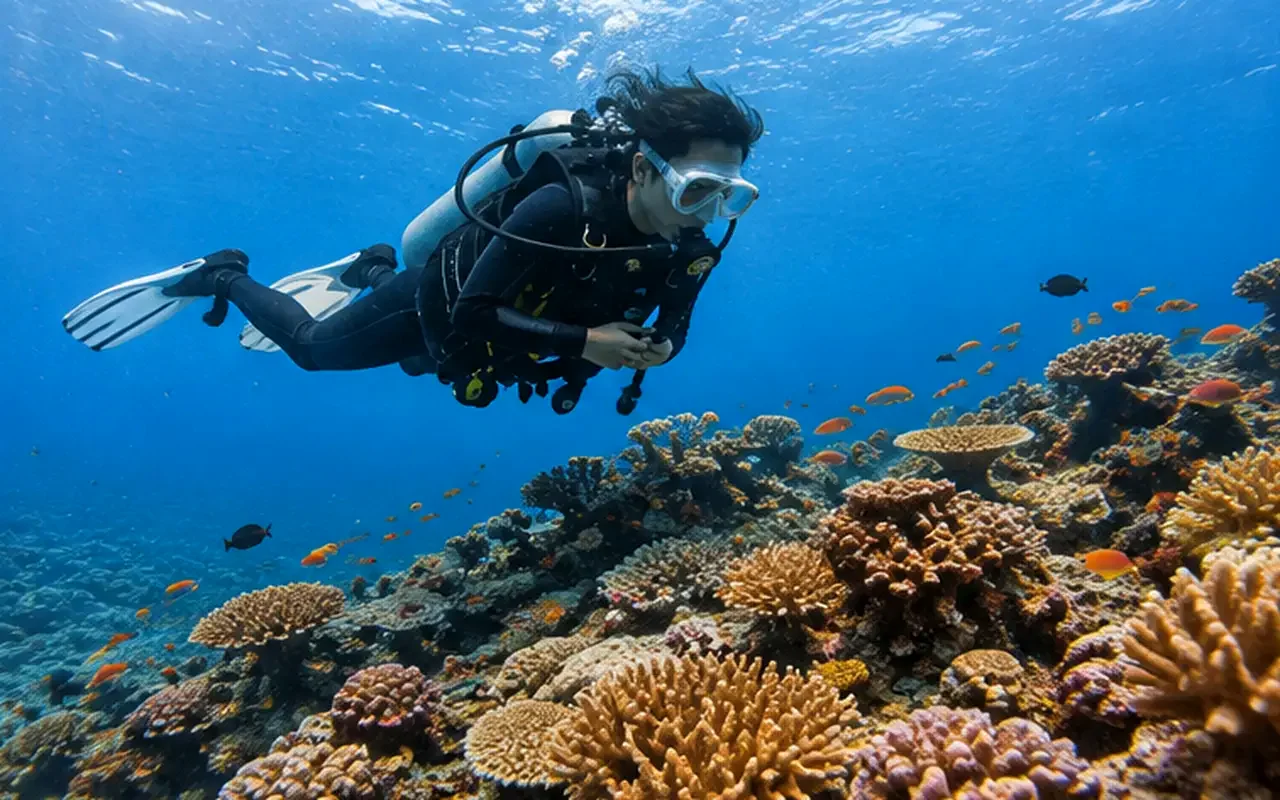
One of the biggest differences between beginner divers and experienced divers is: buoyancy control. Good buoyancy changes:
Divers with poor buoyancy often:
But once buoyancy improves, diving suddenly feels: effortless. For many divers, the buoyancy dive becomes: a turning point. Because for the first time,
they stop fighting the water. And begin: flying underwater.
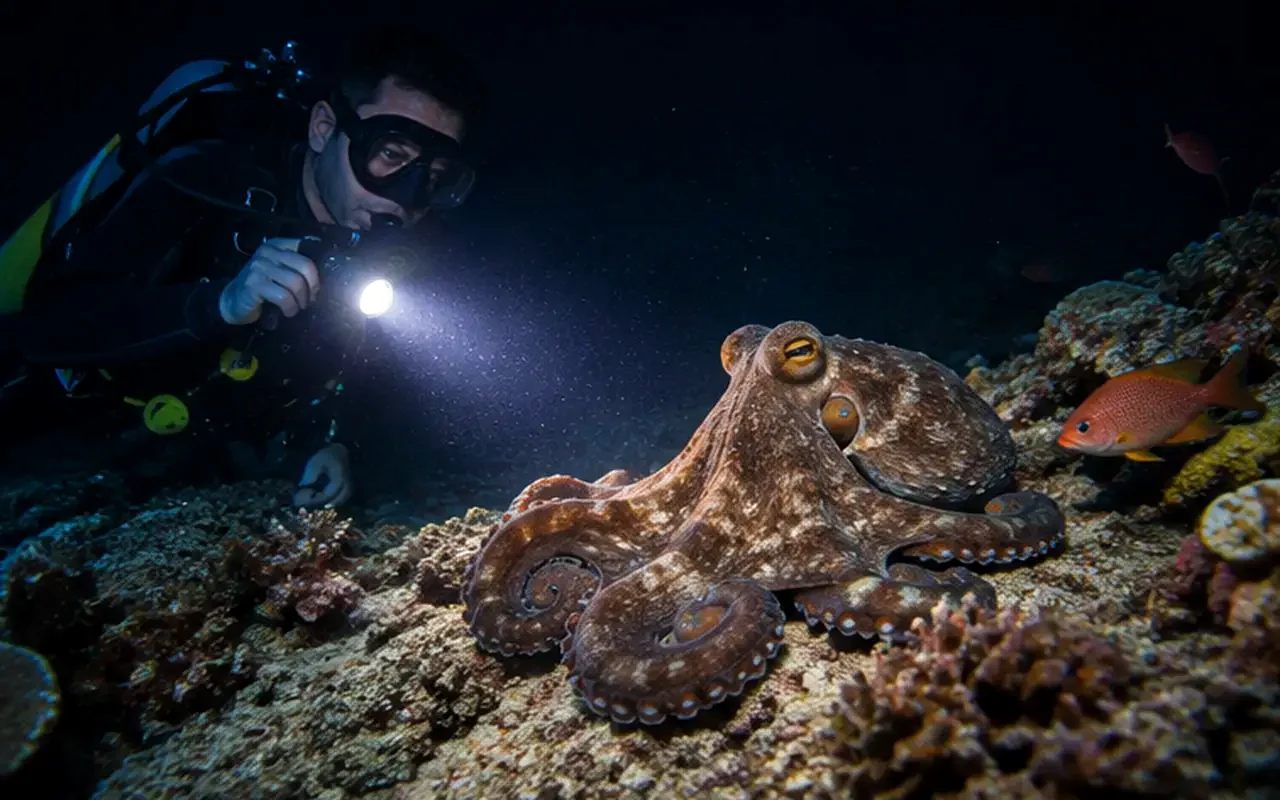
Night diving changes: everything. The reef transforms completely after sunset. Species hidden during the day suddenly appear. Colors disappear under darkness. Flashlights create narrow beams through the water. And psychologically, night diving creates: intense focus. For many divers, the first night dive feels:
And honestly, many divers discover during their first night dive that the ocean never truly sleeps.
Some of the most common mistakes divers make during Advanced training include:
One of the biggest mistakes is rushing. Advanced diving requires:
The divers who progress the fastest are usually the ones who learn relaxation underwater.
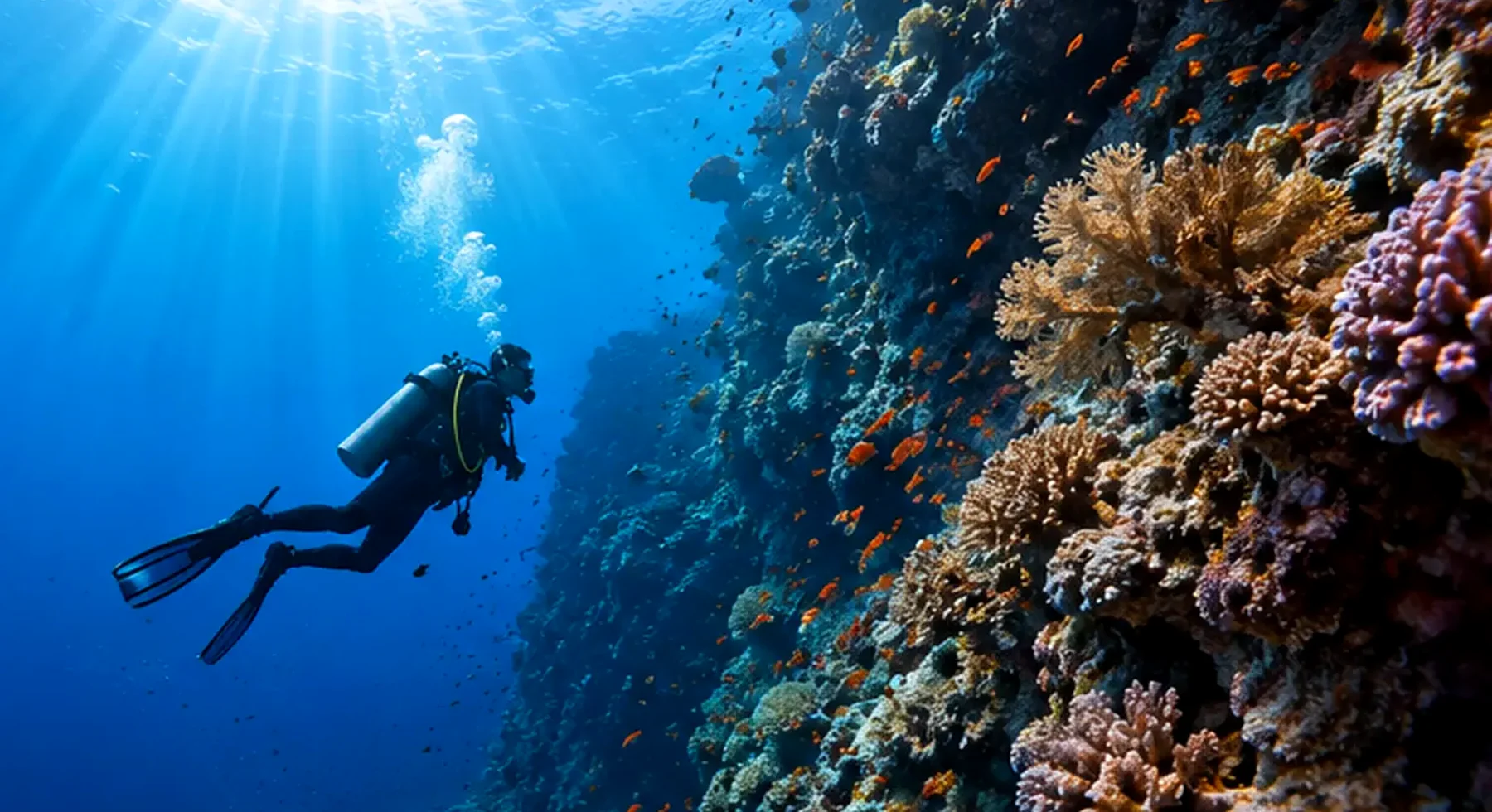
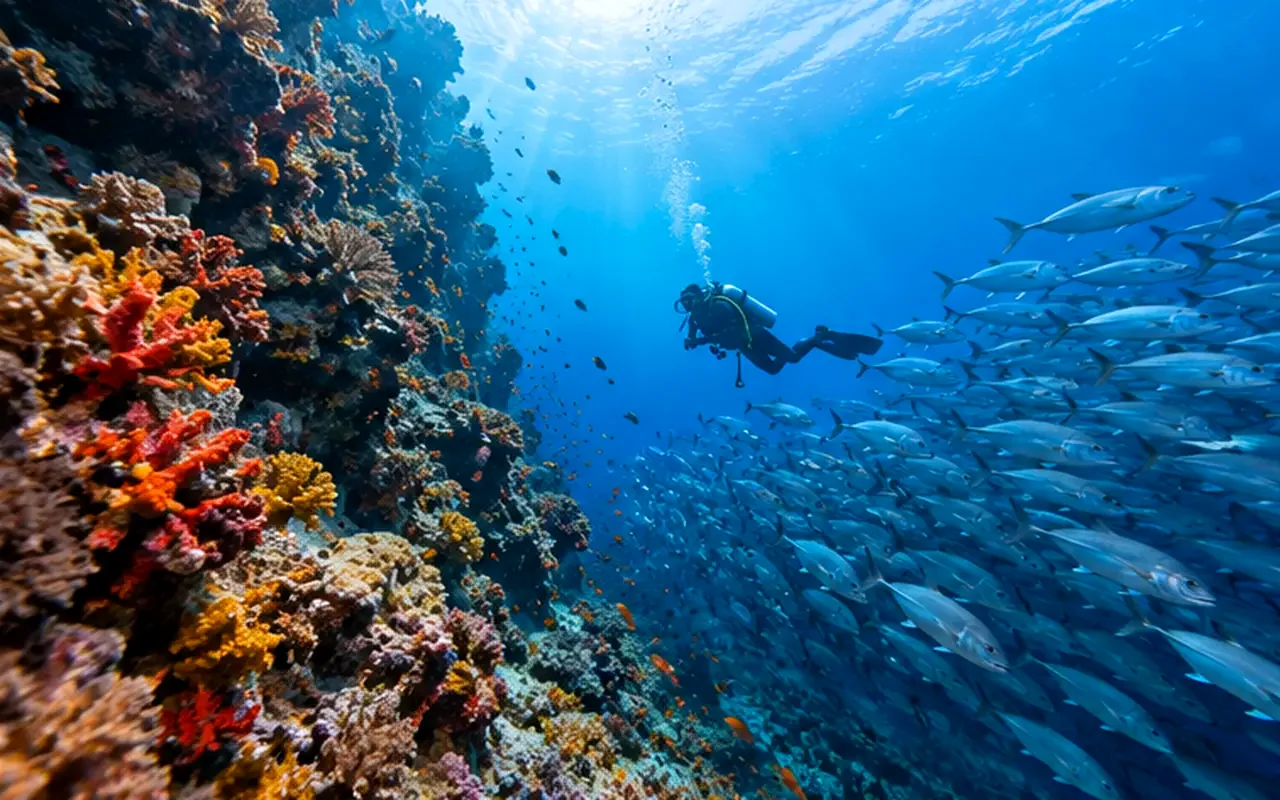
For many divers, deep diving creates a completely different atmosphere. Descending deeper along reef walls creates:
And psychologically, depth creates: fascination. Divers begin realizing how massive the underwater world truly is. This is often the moment where recreational diving slowly begins connecting with:
After Advanced Open Water, many divers begin wanting:
Because once divers gain:
the underwater world suddenly becomes: much larger. And this creates: endless curiosity or many divers, the Advanced course becomes: the beginning of true underwater exploration.
| Advanced Open Water | Open Water |
|---|---|
| Exploration Focused | Beginner Focused |
| 30m Deep Dive | 18m Maximum Depth |
| Navigation Training | Basic Navigation |
| Night Diving | Day Diving Only |
| Dive Computer Use | Basic Dive Planning |
| Increased Autonomy | Beginner Foundations |
| Beginning of the Course | End of the Course |
|---|---|
| Beginner Confidence | Advanced Confidence |
| Basic Diving Skills | Underwater Autonomy |
| Nervousness | Relaxation |
| Limited Awareness | Situational Awareness |
| Surface Perspective | Explorer Mindset |
| Recreational Curiosity | Passion for Exploration |
The course includes: five adventure dives.
The deep training dive may reach: 30 meters.
Yes. Divers must already hold an Open Water certification.
No. The course is designed progressively to improve confidence and underwater experience.
Yes. The course includes: one night dive.
Yes. Warm water, reef walls and tropical conditions make Bohol ideal for Advanced Open Water training.
For many divers, the Advanced Open Water course becomes: the moment scuba diving transforms into exploration. The ocean suddenly feels:
And once divers experience:
they usually realize: they want even more. Because the underwater world never truly stops revealing: new adventures. And in places like Bohol, every dive becomes another opportunity to continue exploring the ocean.