Travel Tips

Bohol absolutely delivers. However, many visitors quickly realize that island life here works quite differently from Europe, America, or even larger Asian cities.

Bohol Travel Tips: Everything You Need to Know Before Visiting Bohol

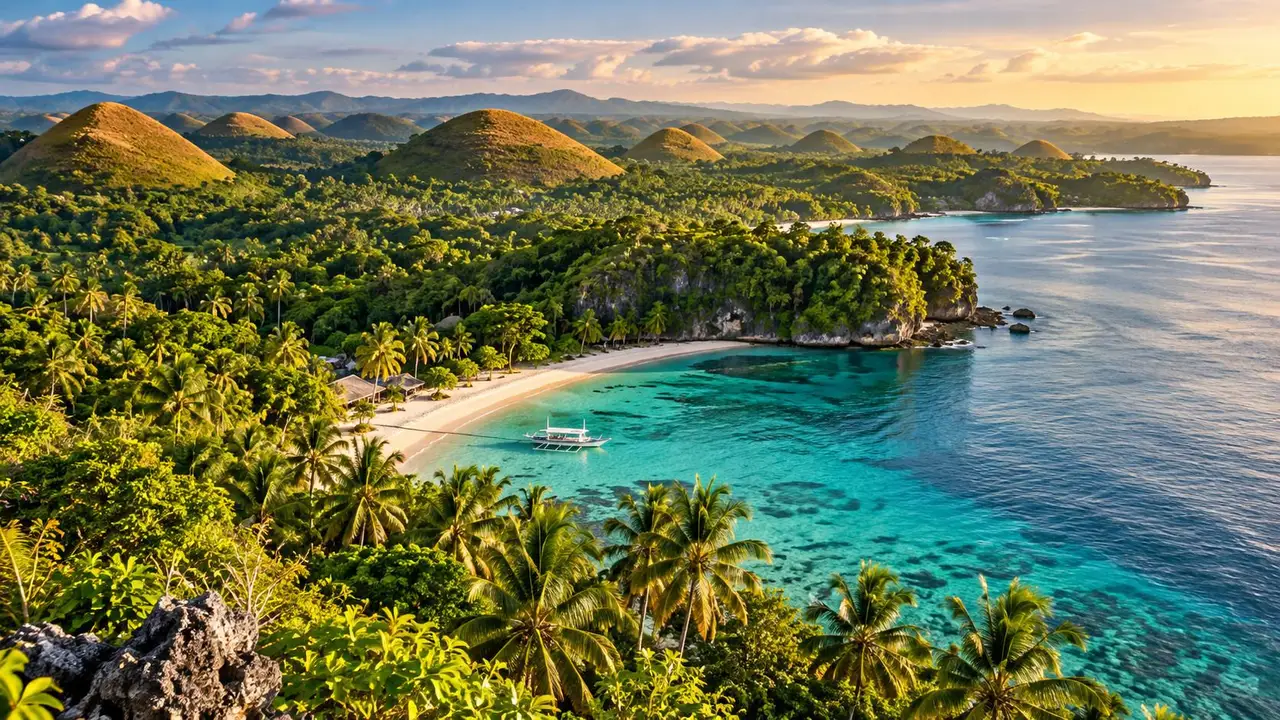
Planning a trip to Bohol for the first time is incredibly exciting, but it can also raise a lot of questions. Most travelers arrive expecting paradise beaches, world-class diving, and tropical sunsets—and Bohol absolutely delivers. However, many visitors quickly realize that island life here works quite differently from Europe, America, or even larger Asian cities.

From local transportation and cash logistics to unpredictable tropical weather and cultural etiquette, everyday situations can surprise first-time travelers. At Bohol Diving, we live and breathe Bohol year-round. We interact daily with backpackers, divers, digital nomads, and families, which allows us to see the exact same questions and minor mishaps coming up time and again.

We created this ultimate Bohol travel guide to help you prepare properly, avoid common mistakes, and travel smarter. Because the better you understand the island, the more unforgettable your experience will be.

Bohol Travel Tips: Everything You Need to Know Before Visiting Bohol

Bohol Travel Overview & Logistics

Stepping onto our island for the first time is a massive milestone in your Philippine adventure. To help you plan your trip effortlessly, here is a transparent breakdown of exactly what to expect regarding practical, financial, and logistical details in Bohol:

Category
Practical Details
What You Need To Know
Category⏱️ Recommended Stay
Practical Details4 to 7 Days total duration
What You Need To KnowAllows a perfect balance between inland tours and scuba diving.
Category💸 Average Daily Budget
Practical Details1,500 - 4,000 PHP per day
What You Need To KnowHighly flexible (Hostels: 400-800 PHP, Resorts: 2,500-5,000 PHP).
Category☀️ Best Travel Window
Practical DetailsNovember to May (Dry Season)
What You Need To KnowCalmer seas, sunnier skies, and peak underwater visibility.
Category💳 Main Payment Method
Practical DetailsCash Only (Philippine Peso - PHP)
What You Need To KnowEssential for markets, small shops, tricycles, and rural tours.
Category🚗 Transport Options
Practical DetailsScooter, Grab, Tricycles, Private Vans
What You Need To KnowGrab is active in Panglao; scooters cost 300-500 PHP / day.
Category🌡️ Average Temperature
Practical Details28°C to 32°C (82°F to 90°F)
What You Need To KnowHigh tropical humidity year-round with sudden brief rain showers.
Category🚰 Drinking Water
Practical DetailsStrictly Filtered / Bottled Water
What You Need To KnowTap water is unsafe. Use bottled water even for brushing teeth.
Category🗣️ Language Barriers
Practical DetailsNone (English widely spoken)
What You Need To KnowTaught in schools; communication is incredibly straightforward.

It is completely natural to feel a mixture of intense excitement, curiosity, and a little bit of hesitation when planning a trip to a tropical island. Our team at Bohol Diving is expert at turning those initial logistical questions into absolute comfort and confidence before your feet even touch our shores.

Is Bohol Safe for Travelers?

Overall, yes, Bohol is considered exceptionally safe for tourists. The atmosphere across the island is relaxed, peaceful, and deeply welcoming. Violent crime against tourists remains extremely rare.

That said, standard travel precautions still apply. We always recommend keeping an eye on your valuables, securing your cash, and staying cautious late at night in crowded nightlife areas around Alona Beach.

[ OUR SAFETY STANDARD ]

Statistically, the biggest safety risks in Bohol aren't related to crime at all, but rather to severe sunburn, dehydration, and scooter accidents on unfamiliar rural roads. Defensive driving and hydration are your best shields.

Filipinos are famous for their hospitality. Most travelers are incredibly touched by how friendly, smiling, and genuinely helpful the locals are, making it very easy to navigate the island with total peace of mind.

Ready to explore safely? Discover how to see the island beyond the tourist crowds with our comprehensive  Bohol Island Tour guide.
Is Bohol Safe for Travelers?
Best Time to Visit Bohol

Best Time to Visit Bohol

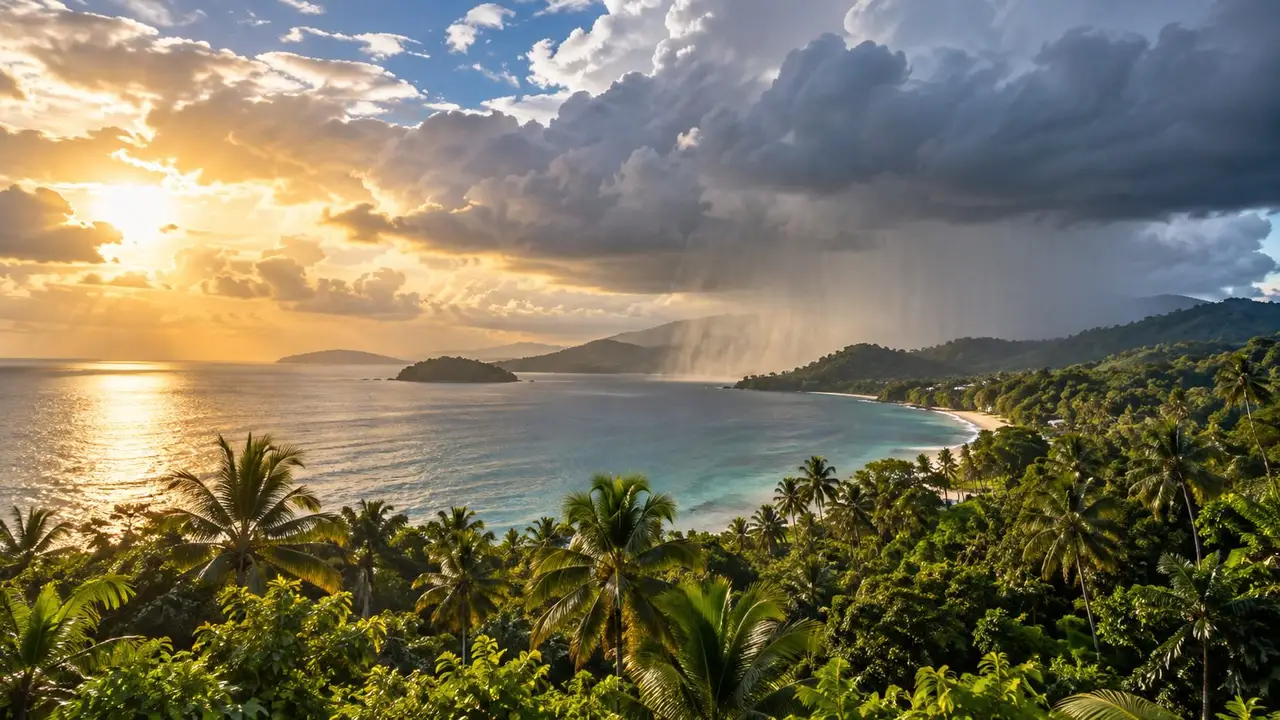
While Bohol is a year-round destination, your experience will shift depending on the seasons, winds, and changing ocean conditions.

The Dry Season (November to May)

The overall best period to visit is generally from November to May. This dry season offers sunnier days, calmer seas, less rainfall, and excellent underwater visibility. It is the peak season for a reason, making it the perfect time for beach lounging and countryside trekking.

The Wet Season (June to October)

From June to October, the weather becomes hotter, more humid, and wetter. Rain usually comes in short, intense tropical showers rather than raining all day, meaning you can still easily enjoy your trip. While typhoons are a reality in the Philippines, Bohol’s protected geographical position leaves it less exposed than the northern regions of the country. For scuba divers, underwater conditions remain highly rewarding almost all year long.

Dive deeper: Check out our seasonal breakdown of underwater conditions and marine life sightings in our dedicated Diving Bohol guide.

Transportation in Bohol: Scooter Rentals, Grab & Tricycles

Getting around Bohol works a bit differently than navigating Manila or Cebu, though modern digital updates have made things much more convenient for international travelers.

Planning your route? Check out how we optimize travel distances and travel times in our custom Bohol Island Tour itinerary.

Scooter Rentals in Panglao

Renting a scooter remains one of the most popular choices for backpackers and couples. It allows total freedom to reach remote waterfalls, explore local villages, and find quiet beaches on your own schedule. Scooter rental prices around Panglao typically range from 300 to 500 PHP per day. It is essential to drive defensively, wear a helmet, and ensure you have a valid international driving permit (IDP).

Grab, Tricycles, and Private Drivers

Ride-sharing via Grab is now available in Panglao and parts of Bohol, providing a reliable and upfront transport option with clear, fixed pricing. For shorter distances, local tricycles and tuk-tuks are everywhere and offer a classic island experience, costing anywhere from 50 to 150 PHP for local trips. For full-day island tours or large families, hiring a private van with a professional driver (typically costing 2,500 to 3,500 PHP per day) is the safest and most comfortable option.

Travel Times and Road Conditions

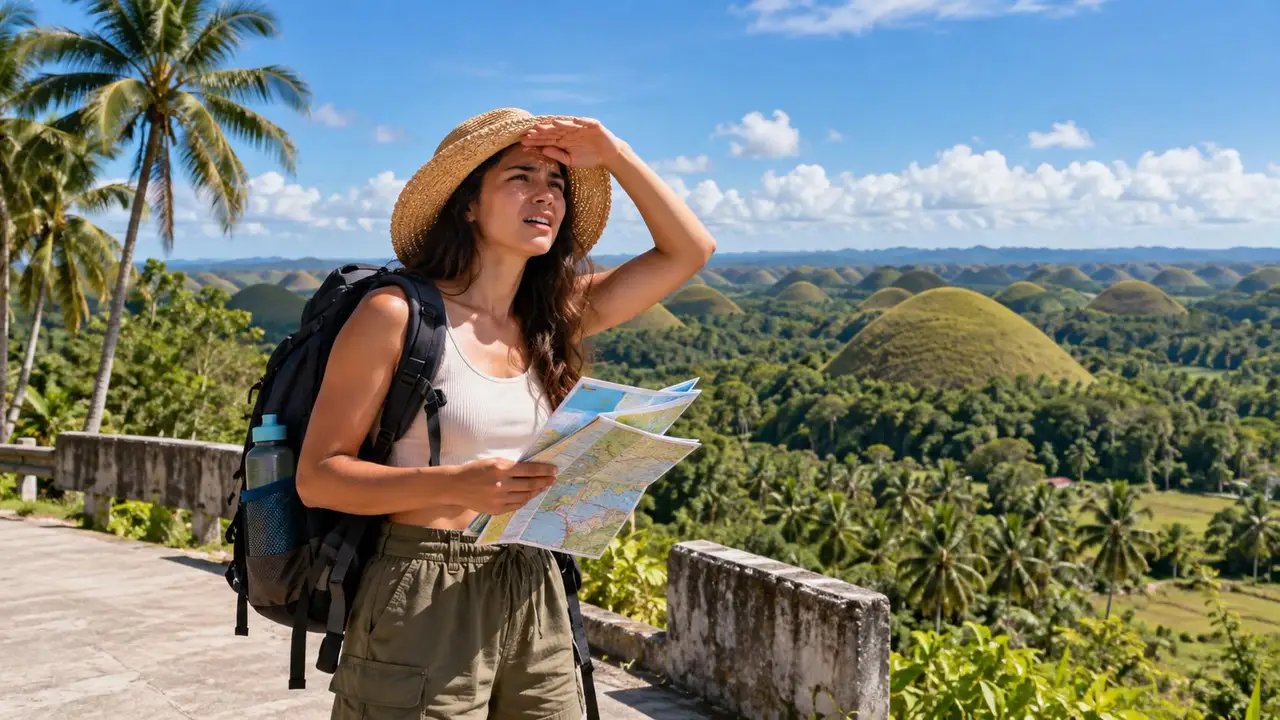
Driving conditions can easily surprise first-time visitors. Main highways are generally well-paved, but rural roads frequently feature potholes, wandering animals, sudden construction, and unpredictable traffic behaviors. Always look closely at travel times rather than distances on maps; a seemingly short 20-kilometer stretch often takes 45 minutes or more in reality, especially when traffic builds up around Alona Beach or when navigating rural terrain.

Cash or Credit Card? Island Financial Rules

Cash or Credit Card? Island Financial Rules

If there is one crucial financial rule to remember across the Philippine islands, it is this: always carry cash.

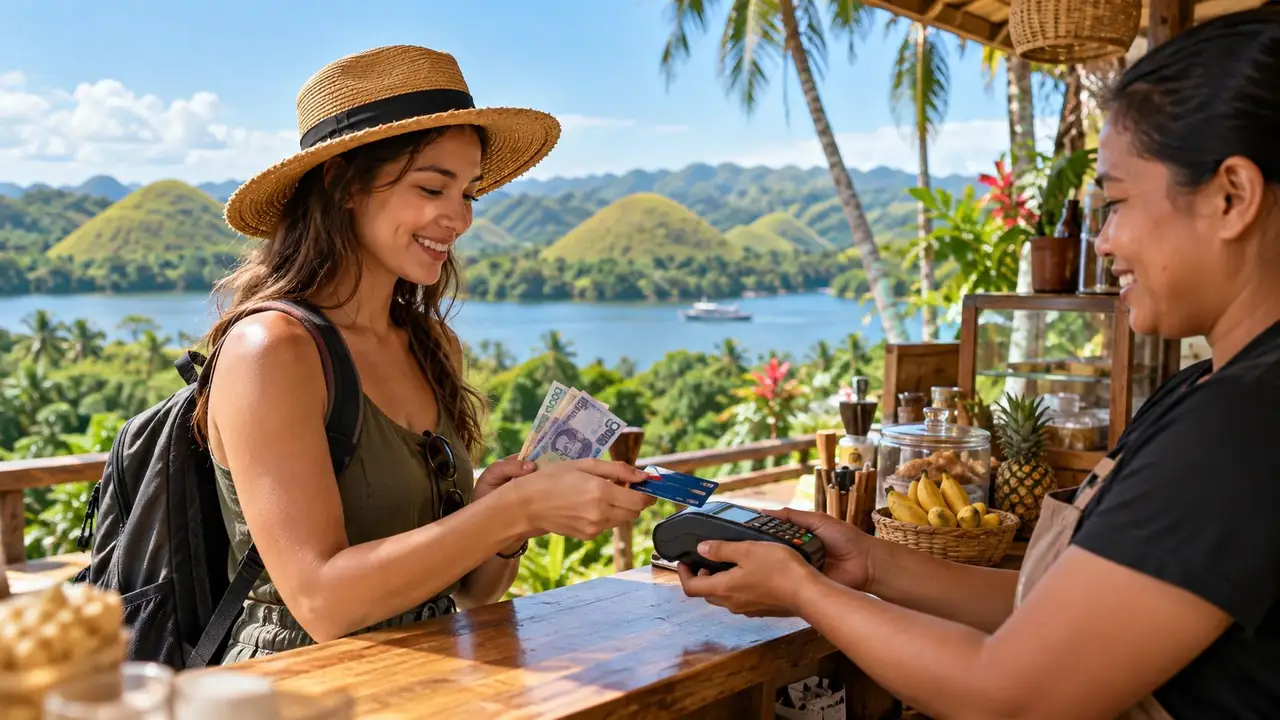
While major luxury resorts, premium dive centers, and upscale restaurants increasingly accept Visa, Mastercard, or digital payments, the vast majority of local businesses—including traditional eateries, public markets, small grocery stores, and rural tour operators—operate strictly on a cash-only basis.

ATMs are readily available around the main tourist hubs of Panglao and Tagbilaran City, but managing your money smoothly requires some insider strategy:

  • BPI (Bank of the Philippine Islands) ATMs generally allow the highest withdrawal limits (up to 20,000 PHP per transaction), whereas other machines cap withdrawals at 10,000 PHP. Note that standard local ATM transaction fees for international cards are usually around 250 PHP per withdrawal.
  • Machines occasionally run out of cash entirely during long holiday weekends, local paydays, or high-season peaks.
  • International transfer services like Wise or Remitly can be used to send money instantly to local remittance centers (like Cebuana Lhuillier or Palawan Express) if your debit card is suddenly rejected, eaten, or lost.

We strongly advise withdrawing plenty of cash before heading into the remote northern or eastern parts of the island, keeping small bills (50, 100, and 200 PHP) on hand, and avoiding relying solely on credit cards. Local mobile wallets like GCash are incredibly popular, but they require a local phone setup that is mostly practical for residents.

Internet and SIM Cards in Bohol

Internet infrastructure in Bohol has come a long way over the last few years, making it far easier to stay connected during your tropical getaway.

Smart vs Globe

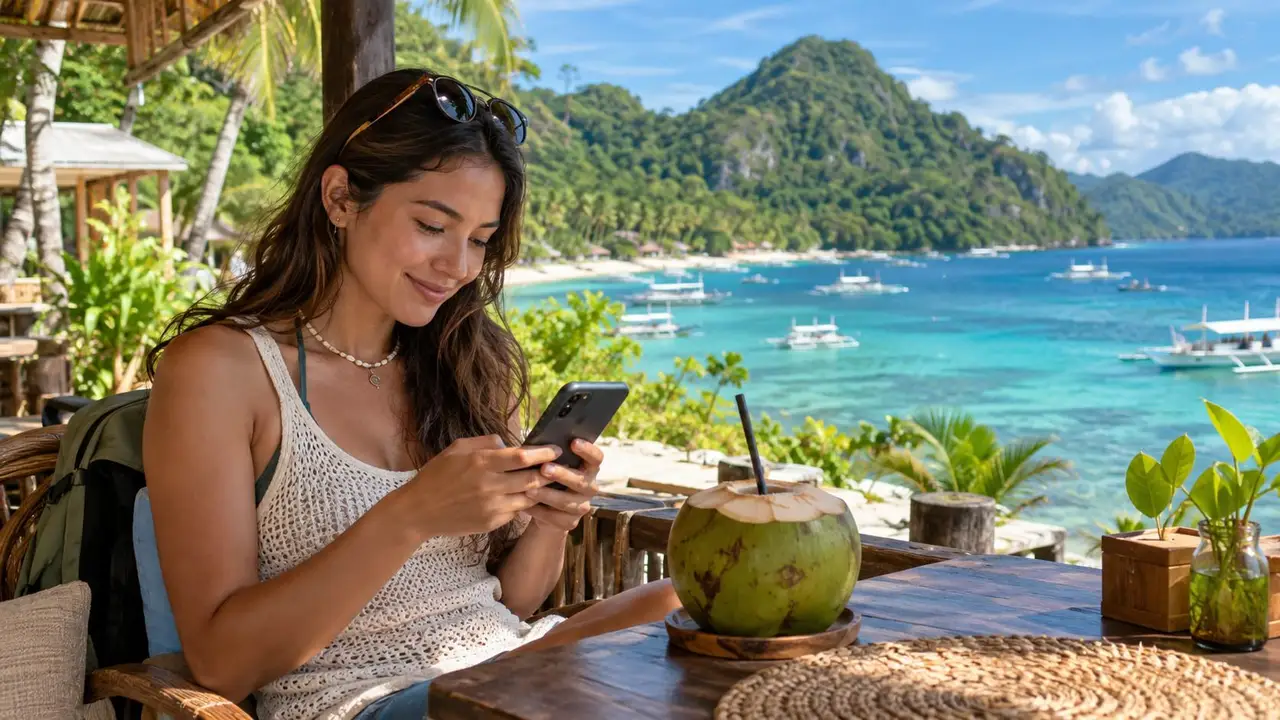
The two primary network providers in the country are Smart and Globe. For travelers staying several days, buying a local tourist SIM card or eSIM upon arrival at the airport is highly recommended. Tourist data packages generally cost between 300 to 1,000 PHP depending on your gigabyte allowance. In most tourist areas, both networks work beautifully, offering 4G and occasionally stable 5G data speeds for maps, browsing, and messaging.

Wi-Fi and Remote Work

Most hotels, modern cafes, and resorts provide complimentary Wi-Fi for their guests, with many premium establishments now running on fast fiber-optic links or Starlink satellite systems. However, digital nomads and remote workers should understand that island internet is not always perfectly stable. Signal strength and speeds can fluctuate during heavy tropical downpours or when staying in deep rural and coastal zones.

Internet and SIM Cards in Bohol
Common Tourist Mistakes in Bohol

Common Tourist Mistakes in Bohol

To make sure you experience the very best of the island, try to avoid these classic first-time missteps:

  • Staying exclusively in Alona Beach: Alona is lively and highly convenient for dining and nightlife, but it represents only a tiny fraction of what Bohol has to offer. The true magic of the island lies inland—in the quiet villages, lush jungle paths, hidden waterfalls, and authentic local culture.
  • Underestimating travel distances: Trying to squeeze the Chocolate Hills, a Tarsier sanctuary, a river cruise, and an island hopping trip into a single rushed afternoon usually leads to absolute exhaustion. Slow down and give the island time.
  • Leaving cash management to the last minute: Finding yourself in a rural area with an empty wallet and an offline ATM is a highly stressful situation easily avoided with a bit of forward planning.
  • Neglecting reef safety: Touching, kicking, or standing on coral reefs damages marine ecosystems that take several decades to fully recover.

Common Scams and Tourist Traps to Avoid

Bohol is an incredibly honest destination, but like any global tourist hotspot, a few minor traps exist. Knowing what to look out for will save you time, money, and unnecessary stress.

Scooter Rental Scams

A small handful of untrustworthy rental shops might try to charge you exorbitant fees for pre-existing scratches or minor structural wear upon returning the bike.

The Fix: Always take a quick video and detailed photos of the bike from all angles before driving away, and test the brakes and tires in front of the owner.

Overpriced Street Tours

Beware of generic, ultra-cheap tours sold by uncertified agents on the street. They often feature hidden environmental fees, low-quality crowded transport, or rushed itineraries where you spend more time waiting than exploring.

The Fix: Book through reputable, legitimate agencies and always double-check exactly what is included (entrance fees, boat capacities, pickup conditions) before paying.

Fake Environmental Fees

Occasionally, unauthorized individuals near crowded tourist zones, ports, or busy attractions might attempt to collect unofficial “environmental fees” or “guide fees.” Genuine municipal environmental fees across Bohol are modest (typically ranging from 30 to 150 PHP).

The Fix: Official guides and legitimate fees always operate from designated, clearly marked municipal counters or registered agencies. When in doubt, ask for an official government receipt. Tricycle pricing can also vary significantly; always confirm the exact price with your driver before departure.

Filipino Culture and Local Etiquette

Filipino Culture and Local Etiquette

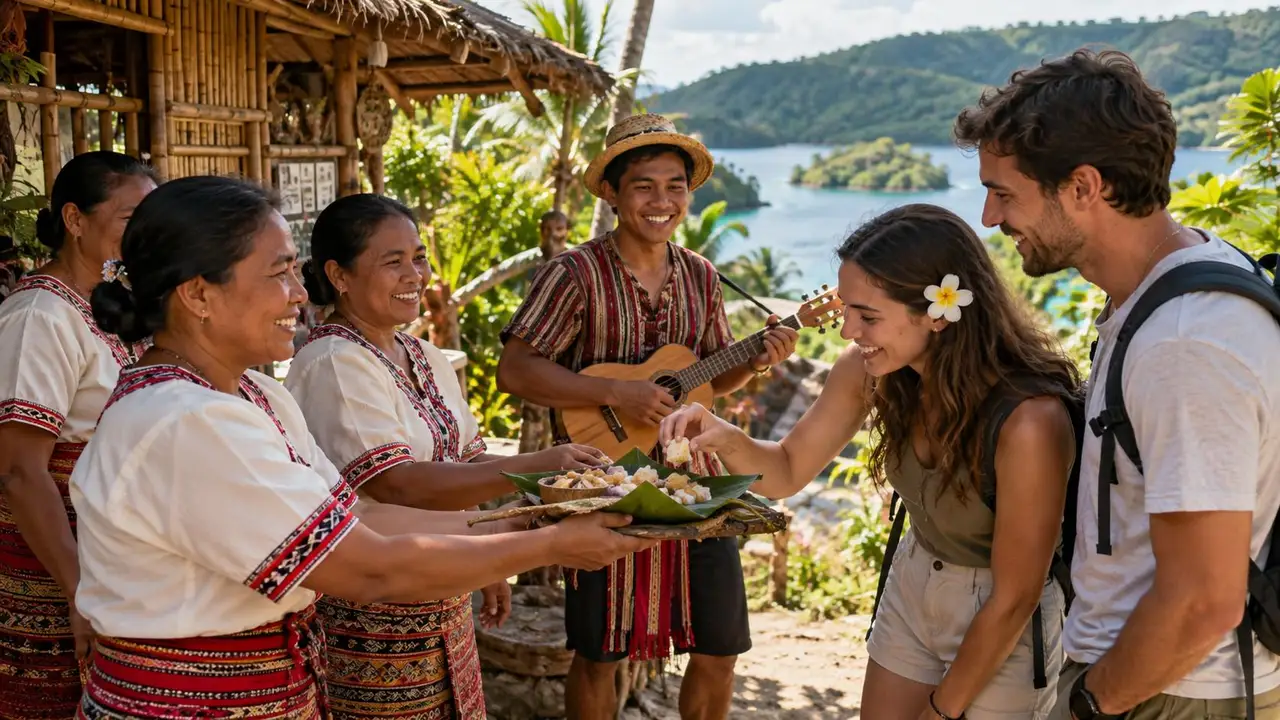
The landscapes are beautiful, but it’s the warmth of the Filipino people that truly defines a trip to Bohol. Local culture is deeply rooted in respect, family values, and hospitality. Navigating daily interactions is incredibly easy if you keep a few simple principles in mind:

  • The Power of a Smile: Speaking politely, maintaining patience, and smiling go an incredibly long way, even when plans change unexpectedly. Aggression or losing your temper will cause a "loss of face" and slow down any resolution.
  • Respect for Sacred Spaces: Religion plays a central role in Boholano communities. When visiting historical stone churches or rural villages, dress modestly (covering shoulders and knees) and maintain a quiet, respectful demeanor.

The more respectful travelers are toward local culture, the richer, warmer, and more genuine their travel experiences usually become.

History buffs: Want to know how Bohol's unique cultural identity was shaped over the centuries? Read our brief guide to Bohol History.

What Tourists Often Don’t Expect in the Philippines

Many travelers arrive expecting a completely quiet, pristine, silent tropical paradise. While you will absolutely find breathtaking nature, you will also discover a lively, energetic, and completely unique cultural atmosphere.

Roosters and Karaoke

Roosters are a major part of local life. Whether you are staying in a luxury resort or a beachside hostel, expect to hear chickens waking up early, alongside barking dogs and morning traffic. It’s loud, authentic, and strangely charming—but pack earplugs if you love sleeping in!

Additionally, Filipinos possess an unmatched love for singing. You will hear karaoke echoing from beach bars, family birthdays, and neighborhood street corners at almost any hour. It quickly becomes a fun, unforgettable part of the Philippine experience.

The Slower Island Lifestyle

Schedules are rarely rigid here. Traffic happens, weather shifts, and things sometimes move at a more relaxed, spontaneous rhythm than in Western countries. Relaxing into this slower island pace is exactly how you fall in love with the destination.

Filipino Family Culture

Families in the Philippines remain extremely close, supportive, and connected across generations. This deep sense of community naturally extends to travelers, as visitors are frequently welcomed with spontaneous kindness and genuine hospitality that makes them feel right at home.

Food Safety and Drinking Water Guidelines

Food Safety and Drinking Water Guidelines

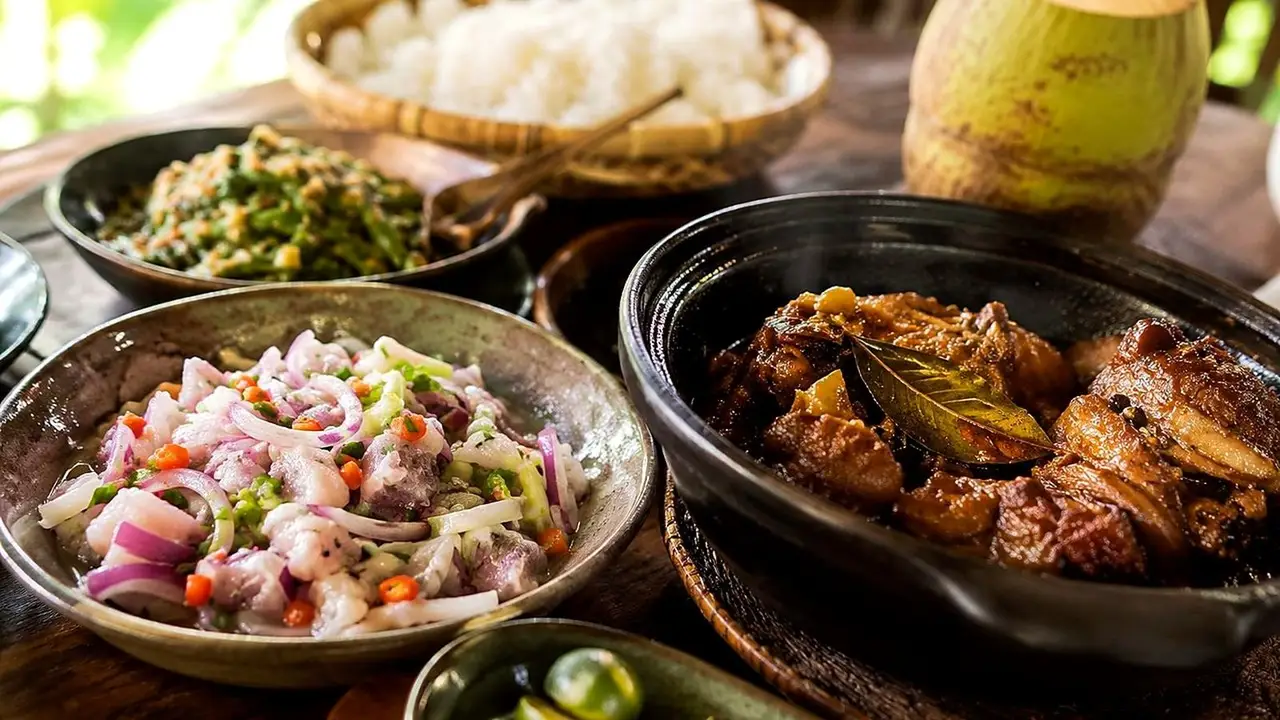
Bohol boasts a fantastic culinary scene, ranging from fresh grilled seafood and savory adobo or pancit to vibrant tropical fruits and local street food. However, there are a few important safety tips to keep in mind to keep your stomach happy:

CRUCIAL HEALTH NOTE: Never drink tap water directly in Bohol. Always opt for bottled water or verified filtered water stations, and use it even when brushing your teeth to prevent stomach issues.

The intense tropical heat means dehydration can sneak up on you quickly, leading to fatigue and headaches. Always carry a reusable bottle filled with safe water. While street food stalls are delicious and highly affordable, those with sensitive stomachs should choose busy vendors with a high turnover of fresh ingredients. For the most genuine flavors, skip the tourist traps and look for local carinderias (traditional eateries).

Bohol Weather and Tropical Climate Realities

The tropical climate of the Philippines means Bohol is hot and humid throughout the year, with average temperatures hovering between 28°C and 32°C. Many travelers underestimate how quickly the midday sun can cause heat exhaustion, sunburn, or severe dehydration.

To stay comfortable and safe, we strongly recommend drinking water regularly, wearing light, breathable clothing, applying reef-safe sunscreen, and avoiding excessive midday sun exposure. Tropical rain can also appear suddenly—a perfectly sunny morning can transform into a heavy downpour within minutes, but this is simply part of island life and usually clears up quickly.

Bohol Weather and Tropical Climate Realities

Diving Tips in Bohol: Rules & Marine Sanctuaries

Bohol is rightfully celebrated as one of the premier scuba diving destinations in the Philippines, offering vibrant walls, massive schools of fish, and pristine coral structures.

Elevate your skills: Want to perfect your positioning and protect the reef? Explore our specialized SSI Perfect Buoyancy course or read more about our local dive sites at Panglao Diving.

Balicasag Permit System

To protect the marine ecosystem, the government enforces strict daily diver caps and permit limitations on Balicasag Island. Slots fill up weeks in advance, especially during peak seasons. Booking your dive slots with a registered dive center like Bohol Diving well ahead of time is absolutely essential.

No-Fly Times After Diving

Repetitive diving combined with the tropical sun accelerates dehydration and fatigue. Keep your energy up, stay hydrated between dives, and always strictly respect a minimum 18-hour to 24-hour mandatory no-fly time after your final dive before booking your flight out of the country.

Respecting Coral Reefs

The marine environments around Bohol are fragile ecosystems. Divers and snorkelers must practice excellent buoyancy control, strictly follow no-touch policies, avoid standing on reefs, and ensure they are using certified reef-safe sunscreens that do not contain harmful chemicals like oxybenzone.

Why Bohol Feels Different From Other Philippine Islands

The Philippines has more than 7,000 islands, yet many travelers say Bohol feels entirely unique. Why? Because it offers an unusual, perfect balance between tourism convenience and local authenticity.

Some islands feel extremely crowded, heavily urbanized, or overly party-oriented. Bohol feels more grounded. In one single trip, you can seamlessly experience premium scuba diving, lush jungle landscapes, historic stone churches, quiet countryside roads, and traditional village life. It is modern enough to travel with total comfort, yet authentic enough to still feel truly Filipino.

Explore more: Compare our diverse local ecosystems and activities in our dedicated guides for Bohol History, Bohol Island Tour, and Diving Bohol.

Why Bohol Feels Different From Other Philippine Islands
Why Travelers Fall in Love With Bohol

Why Travelers Fall in Love With Bohol

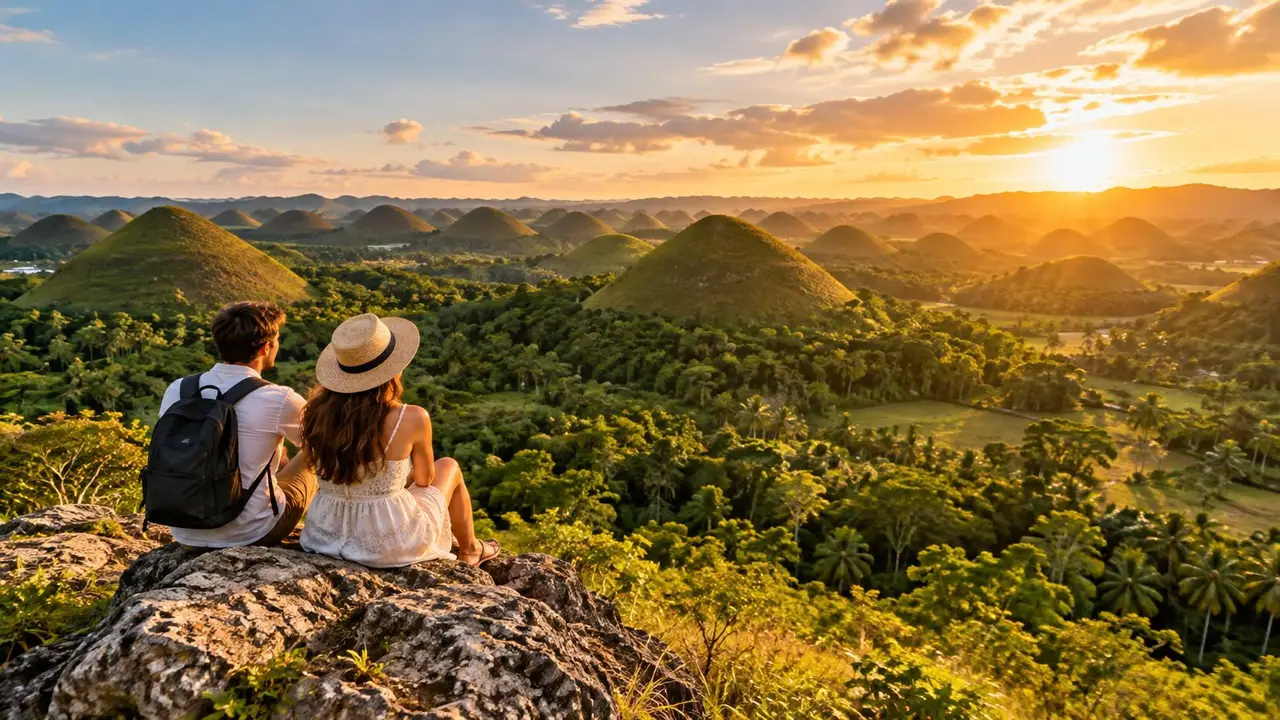
Many travelers initially book their trip to Bohol for the famous diving, white-sand beaches, or the Chocolate Hills. But after a few days, they realize it is the overall atmosphere of the island that truly stays with them.

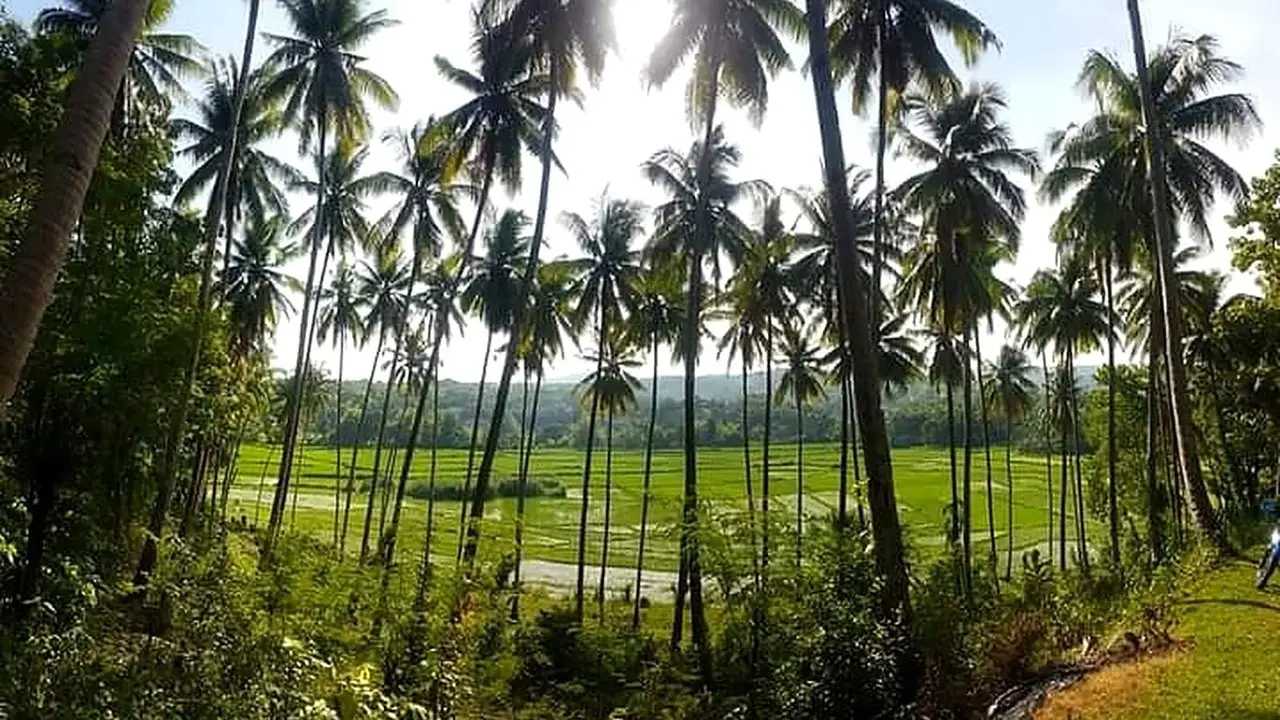
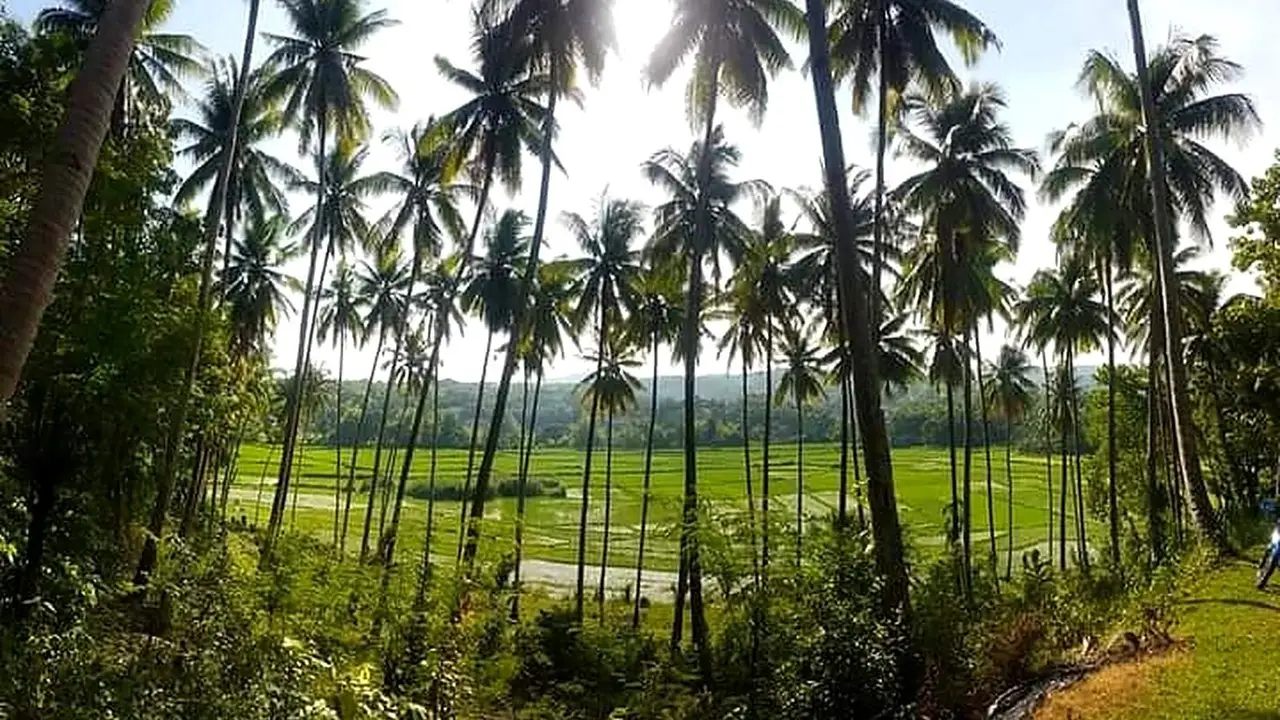
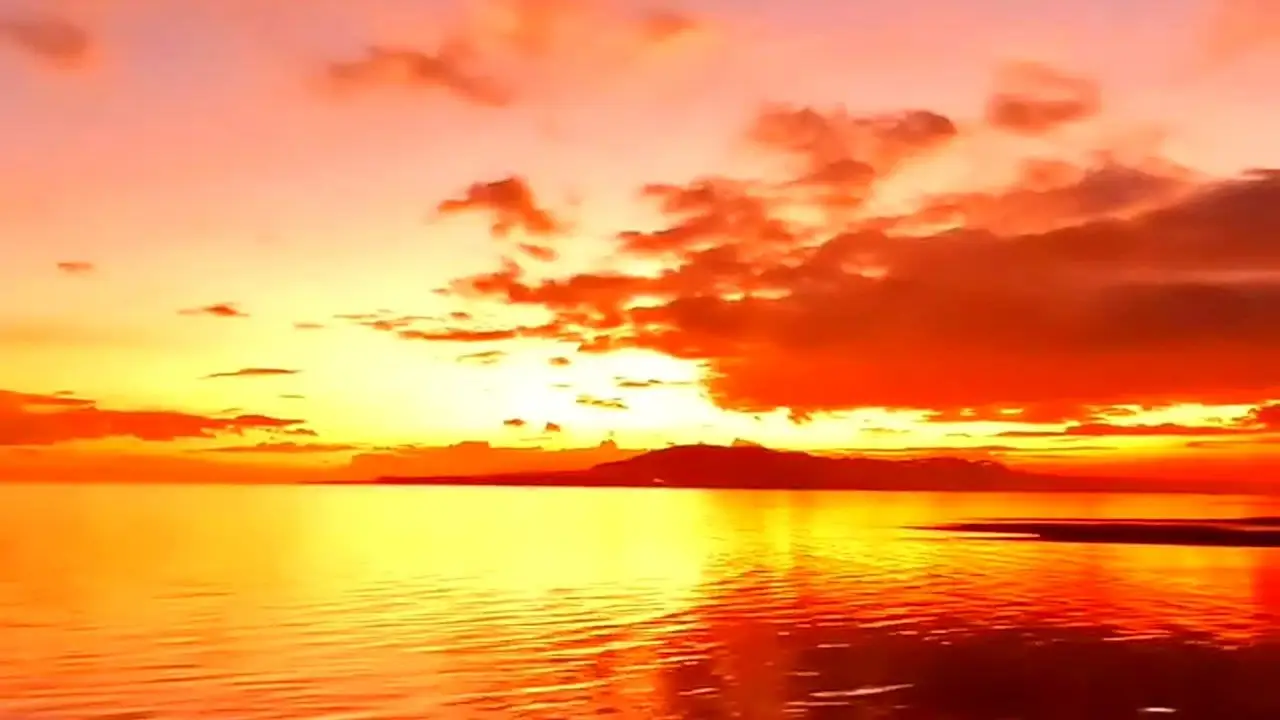
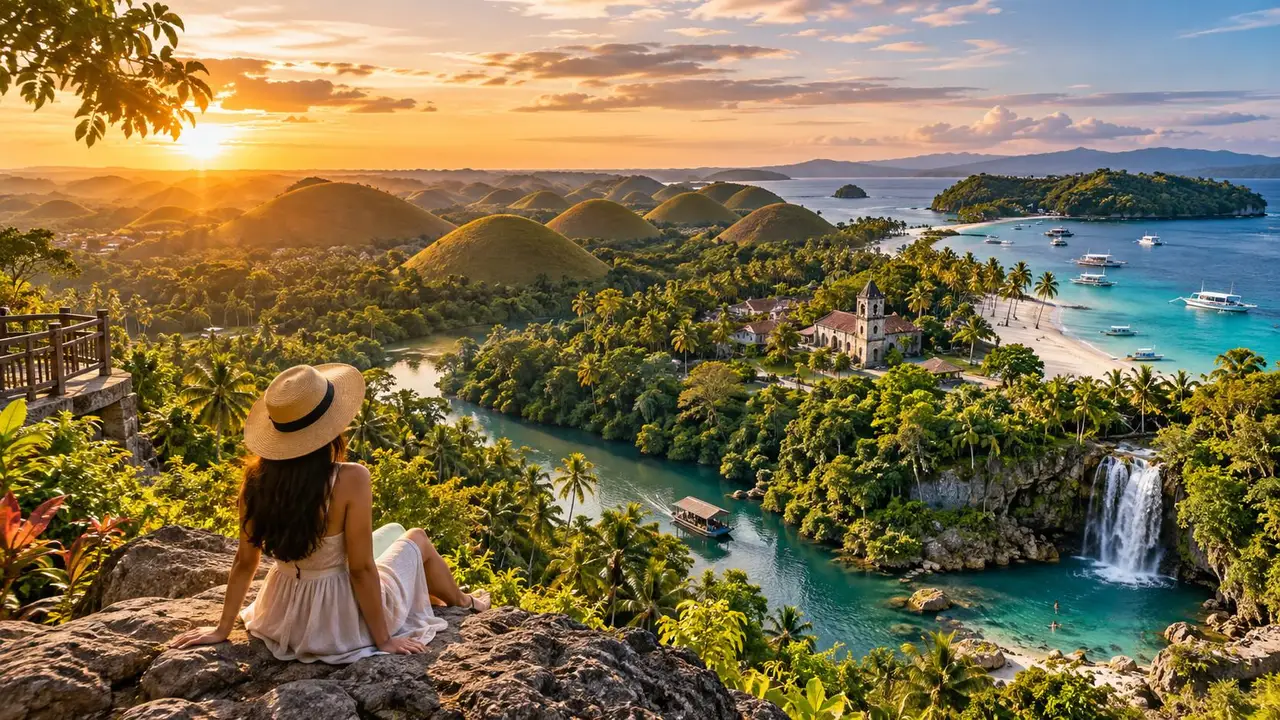
The slower pace of life, the genuine smiles, the vibrant sunsets, the quiet jungle roads, and the spontaneous kindness of the local people create an undeniable charm. Bohol ceases to be just a destination on a map—it becomes a feeling, often prompting visitors to extend their stay unexpectedly.

Frequently Asked Questions About Traveling to Bohol

Travel Smarter, Experience Bohol Differently

The best trips are rarely the ones where travelers simply check famous attractions off a static list. The most unforgettable experiences happen when people choose to slow down, explore beyond the standard tourist zones, interact genuinely with local communities, and embrace the natural rhythm of island life. Bohol generously rewards those who are curious, respectful, and open-minded.

Contact Our Team Today to Secure Your Booking & Plan Your Bohol Adventure